

Last Updated: July 7, 2026 | Reading Time: 8-12 minutes
AI powered workflow automation is revolutionizing the way businesses operate, and one of the most significant benefits is the increase in productivity and time savings. In 2026, companies that adopt AI powered workflow automation can streamline their processes, reduce manual errors, and free up staff to focus on higher-value tasks. By automating repetitive and mundane tasks, businesses can save valuable time and increase productivity, leading to improved efficiency and competitiveness. For example, a study by McKinsey found that companies that automate their workflows can increase productivity by up to 30%. As AI technology continues to evolve, it’s essential for businesses to understand the benefits of AI powered workflow automation and how it can be implemented to achieve significant time savings and productivity gains.
Introduction to AI
AI powered workflow automation uses artificial intelligence and machine learning algorithms to automate business processes, such as data entry, document processing, and workflow management. This technology can learn and adapt to changing business needs, making it an essential tool for companies looking to improve their operations. By leveraging AI powered workflow automation, businesses can reduce manual errors, increase processing speed, and enhance overall efficiency. For instance, a company like IBM has developed AI powered workflow automation solutions that can help businesses automate their workflows and improve productivity.
The use of AI in workflow automation is becoming increasingly popular, and it’s expected to continue growing in 2026. As more businesses adopt this technology, we can expect to see significant improvements in productivity and time savings. With the help of AI powered workflow automation, companies can focus on strategic initiatives and drive business growth, rather than getting bogged down in manual and repetitive tasks.
Benefits of Automation

The benefits of AI powered workflow automation are numerous, and they can have a significant impact on a company’s bottom line. By automating repetitive and mundane tasks, businesses can free up staff to focus on higher-value tasks, such as strategy, innovation, and customer service. This can lead to improved productivity, increased efficiency, and enhanced competitiveness. Additionally, AI powered workflow automation can help businesses reduce errors, improve accuracy, and enhance compliance with regulatory requirements.
Another significant benefit of AI powered workflow automation is the ability to analyze large amounts of data and provide insights that can inform business decisions. By leveraging machine learning algorithms and natural language processing, businesses can gain a deeper understanding of their operations and make data-driven decisions. This can lead to improved decision-making, reduced risk, and increased revenue.
Key Features
Machine Learning
Machine learning is a critical component of AI powered workflow automation, as it enables the technology to learn and adapt to changing business needs. By analyzing large amounts of data, machine learning algorithms can identify patterns, make predictions, and optimize business processes. This can lead to improved productivity, increased efficiency, and enhanced competitiveness. For example, a company like Google has developed machine learning algorithms that can help businesses automate their workflows and improve productivity.
The use of machine learning in AI powered workflow automation is becoming increasingly popular, and it’s expected to continue growing in 2026. As more businesses adopt this technology, we can expect to see significant improvements in productivity and time savings. With the help of machine learning, companies can focus on strategic initiatives and drive business growth, rather than getting bogged down in manual and repetitive tasks.
Implementation
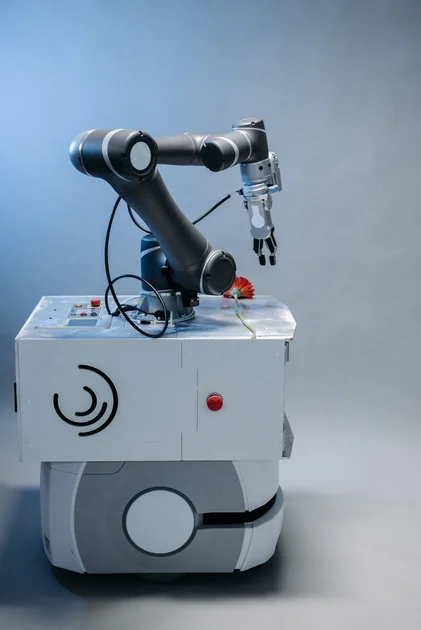
Implementing AI powered workflow automation can be a complex process, but it’s essential to get it right. Businesses should start by identifying areas where automation can have the greatest impact, such as data entry, document processing, and workflow management. They should then develop a clear plan for implementation, including training and support for staff, and establish metrics to measure the success of the automation effort.
It’s also essential to choose the right technology and vendor, as this can make a significant difference in the success of the automation effort. Businesses should look for vendors that have experience in AI powered workflow automation, and that can provide ongoing support and maintenance. By getting the implementation right, businesses can ensure that they achieve significant time savings and productivity gains from their automation effort.
Comparison Table

When choosing an AI powered workflow automation solution, it’s essential to compare the features and benefits of different options. The following table provides a comparison of some of the leading solutions:
| Feature | Option A | Option B | Notes |
|---|---|---|---|
| Machine Learning | Yes | No | Option A has advanced machine learning capabilities |
| Natural Language Processing | Yes | Yes | Both options have natural language processing capabilities |
| Integration | API | GUI | Option A has API integration, while Option B has GUI integration |
| Security | Encryption | Access Control | Option A has encryption, while Option B has access control |
| Support | 24/7 | Business Hours | Option A has 24/7 support, while Option B has business hours support |
By comparing the features and benefits of different solutions, businesses can make an informed decision about which AI powered workflow automation solution is right for them.
Pros and Cons Analysis
Like any technology, AI powered workflow automation has its pros and cons. On the plus side, it can improve productivity, increase efficiency, and enhance competitiveness. However, it also has some potential drawbacks, such as the need for significant upfront investment, the risk of job displacement, and the potential for errors and bias in the automation process.
Despite these potential drawbacks, the benefits of AI powered workflow automation far outweigh the costs. By automating repetitive and mundane tasks, businesses can free up staff to focus on higher-value tasks, such as strategy, innovation, and customer service. This can lead to improved productivity, increased efficiency, and enhanced competitiveness. Additionally, AI powered workflow automation can help businesses reduce errors, improve accuracy, and enhance compliance with regulatory requirements.
Key Takeaways
The following are some key takeaways from this article:
- AI powered workflow automation can improve productivity and increase efficiency
- Machine learning is a critical component of AI powered workflow automation
- Implementation is complex, but essential to get right
- Comparison of different solutions is essential to make an informed decision
- Pros and cons analysis is necessary to understand the benefits and drawbacks of AI powered workflow automation
- AI powered workflow automation is expected to continue growing in 2026
By understanding these key takeaways, businesses can make informed decisions about implementing AI powered workflow automation and achieving significant time savings and productivity gains.
Frequently Asked Questions
What is AI powered workflow automation?
AI powered workflow automation is the use of artificial intelligence and machine learning algorithms to automate business processes, such as data entry, document processing, and workflow management.
How can AI powered workflow automation improve productivity?
AI powered workflow automation can improve productivity by automating repetitive and mundane tasks, reducing manual errors, and freeing up staff to focus on higher-value tasks.
What are the benefits of machine learning in AI powered workflow automation?
Machine learning is a critical component of AI powered workflow automation, as it enables the technology to learn and adapt to changing business needs. This can lead to improved productivity, increased efficiency, and enhanced competitiveness.
How can businesses implement AI powered workflow automation?
Businesses can implement AI powered workflow automation by identifying areas where automation can have the greatest impact, developing a clear plan for implementation, and choosing the right technology and vendor.
What are the potential drawbacks of AI powered workflow automation?
The potential drawbacks of AI powered workflow automation include the need for significant upfront investment, the risk of job displacement, and the potential for errors and bias in the automation process.
Conclusion
In conclusion, AI powered workflow automation is a powerful technology that can improve productivity, increase efficiency, and enhance competitiveness. By automating repetitive and mundane tasks, businesses can free up staff to focus on higher-value tasks, such as strategy, innovation, and customer service. As we move forward in 2026, it’s essential for businesses to understand the benefits and drawbacks of AI powered workflow automation and to make informed decisions about implementation. With the right technology and vendor, businesses can achieve significant time savings and productivity gains from their automation effort.
