

Last Updated: July 7, 2026 | Reading Time: 8-12 minutes
Finding the best online resources, tutorials, and learning platforms for automation professionals in 2026 is essential for staying competitive in an increasingly AI-driven industrial landscape. As robotics, industrial internet of things (IIoT), and machine learning converge, automation engineers must master a diverse toolkit ranging from PLC programming to cloud-based data analytics. Whether you are a veteran engineer looking to upskill in edge computing or a newcomer entering the field of industrial automation, the sheer volume of available information can be overwhelming. This guide curates the most authoritative, industry-recognized platforms that provide the technical depth and practical training required to excel in modern automated environments, ensuring you remain at the forefront of engineering excellence.
Top Platforms for Automation Training
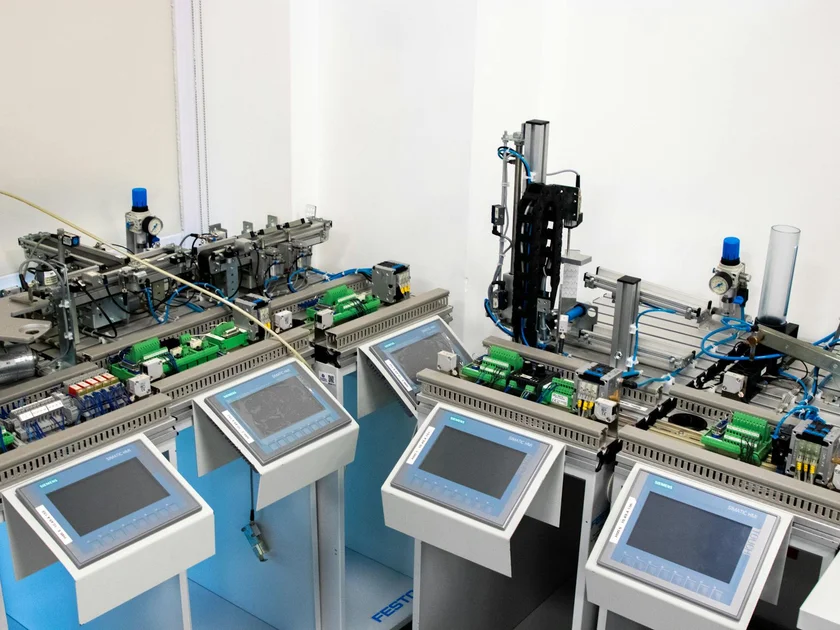
In 2026, specialized learning platforms have evolved to offer more than just theoretical knowledge, focusing heavily on virtual simulation and digital twin integration. Platforms like Coursera and edX have partnered with industry giants such as Siemens, Rockwell Automation, and ABB to provide professional certificates that carry significant weight in the job market. These courses often include access to cloud-based PLC simulators, allowing students to test logic and troubleshoot code without needing expensive hardware on their desks. This hands-on approach bridges the gap between traditional academic instruction and the rigorous demands of factory-floor operations, effectively preparing professionals for real-world deployment challenges.
Beyond massive open online courses, dedicated technical hubs such as RealPars and AutomationDirect University have become industry staples for bite-sized, task-oriented training. These resources excel at breaking down complex topics like PID loop tuning, motion control, and industrial networking protocols into digestible modules. By focusing on specific hardware and software ecosystems, these platforms enable professionals to quickly solve immediate problems while building a long-term foundation of expertise. Leveraging these targeted resources allows for a personalized learning path that aligns with your specific career goals, whether you are managing assembly lines or developing the next generation of autonomous robotic arms.
Comparison of Learning Resources
| Platform | Best For | Certification | Key Strength |
|---|---|---|---|
| RealPars | Process Automation | Yes | High-quality video tutorials | Coursera | Academic/Theory | University/Industry | Broad curriculum depth | Udemy | Specific Software | Certificate of Completion | Affordable, niche topics | AutomationDirect | Hardware Hands-on | No | Free, hardware-focused |
| LinkedIn Learning | General Engineering | Yes | Professional development |
Pros and Cons Analysis

When selecting your educational path, it is vital to weigh the benefits against the potential limitations of various learning models. Online platforms offer unparalleled flexibility, allowing professionals to balance rigorous study schedules with full-time employment responsibilities. The primary benefit is cost-effectiveness; compared to traditional in-person workshops, online training significantly reduces travel and accommodation expenses. Furthermore, the ability to revisit complex technical concepts through on-demand video libraries ensures that intricate programming logic or hardware configuration processes are fully understood before moving to the next module. This self-paced nature is ideal for the busy automation professional who needs to acquire specific skills rapidly to meet project deadlines.
However, there are inherent drawbacks to digital learning that must be addressed to ensure a holistic education. The most significant challenge is the lack of physical interaction with hardware components, which can hinder the development of tactile troubleshooting skills required for sensor calibration or electrical wiring. While virtual simulations have reached advanced levels of realism, they cannot fully replicate the high-stakes environment of a live production line where hardware failures occur in real-time. To mitigate these risks, it is recommended that professionals supplement their online coursework with physical home-lab kits or seek employer-sponsored onsite training to ensure they gain the necessary physical confidence alongside their digital proficiency.
Advanced Technical Resource Hubs
For engineers specializing in sophisticated control architectures, the IEEE Xplore digital library remains the gold standard for peer-reviewed research and white papers. Accessing this repository allows professionals to stay updated on emerging standards in industrial communication, such as the latest iterations of OPC UA and TSN (Time-Sensitive Networking). Diving into these technical papers provides the theoretical backbone needed to design secure, scalable, and resilient automation systems that comply with international safety standards like ISO 13849. Integrating this high-level research into your learning routine will distinguish you as a thought leader in the industry.
Community Forums and Knowledge Sharing
The most effective automation professionals often cite community engagement as their primary method for continuous learning. Platforms like the PLCdev forums or dedicated Reddit engineering communities serve as vital troubleshooting hubs where veterans share solutions to obscure hardware bugs. In 2026, these forums have become increasingly sophisticated, utilizing AI-driven search tools that help users find historical solutions to complex configuration errors across various PLC brands. Engaging in these communities not only provides quick answers to pressing technical dilemmas but also helps you build a network of mentors and peers who can offer guidance on career progression and technology adoption.
Participating in these discussions allows you to see how different industries approach similar automation challenges, fostering a broader perspective on engineering design. When you contribute your own insights to these platforms, you reinforce your understanding of the subject matter while establishing a digital footprint that showcases your expertise to potential employers or clients. This collaborative culture is a cornerstone of the automation community, ensuring that collective knowledge continues to grow as new technologies emerge. By actively participating, you transition from a passive consumer of information to an active contributor in the global automation ecosystem, which is invaluable for long-term growth.
Key Takeaways

- Prioritize platforms that offer both theoretical knowledge and virtual simulation capabilities.
- Use a mix of specialized hardware-focused platforms and broad academic courses for a balanced skillset.
- Supplement digital learning with physical lab equipment to build tactile troubleshooting expertise.
- Engage with industry forums and professional networks to stay updated on emerging technologies.
- Focus on acquiring certifications that are recognized by major industrial automation manufacturers.
- Continuously reference standards and research papers to ensure your designs remain compliant and cutting-edge.
Frequently Asked Questions
What is the best platform for PLC training?
For beginners, RealPars offers the most intuitive visual training, while AutomationDirect University is excellent for free, hardware-specific tutorials. For advanced certification, platforms partnered with major vendors like Siemens or Rockwell offer the most industry-recognized credentials.
Are online certifications valued by employers?
Yes, especially those issued in partnership with industry leaders or accredited universities. They demonstrate your commitment to professional development and your ability to master specific, high-demand technical skill sets.
How can I practice without expensive hardware?
Many platforms now provide access to cloud-based digital twins and PLC simulators. These tools allow you to write, test, and debug code in a virtual environment that mimics real-world industrial controllers.
Which languages should I prioritize in 2026?
Beyond traditional Ladder Logic, modern automation professionals must be proficient in Structured Text (ST), Python for data analytics, and C++ for advanced robotics integration.
How do I stay updated on new industrial standards?
Regularly reviewing IEEE Xplore, subscribing to industry trade journals, and participating in vendor-specific webinars are the best ways to keep your knowledge current with the latest safety and communication standards.
Conclusion
Navigating the vast landscape of online education for automation professionals is a strategic investment in your future career. By leveraging a balanced approach of platform-based coursework, community-driven troubleshooting, and technical research, you can effectively master the tools needed to thrive in the 2026 industrial landscape. Remember that the best professionals are those who never stop learning and who actively bridge the gap between digital theory and physical execution. Commit to a consistent learning routine, embrace the community, and continue building the skills that will define the next generation of industrial innovation and automated control systems.
